What Good Real Estate Content Actually Looks Like
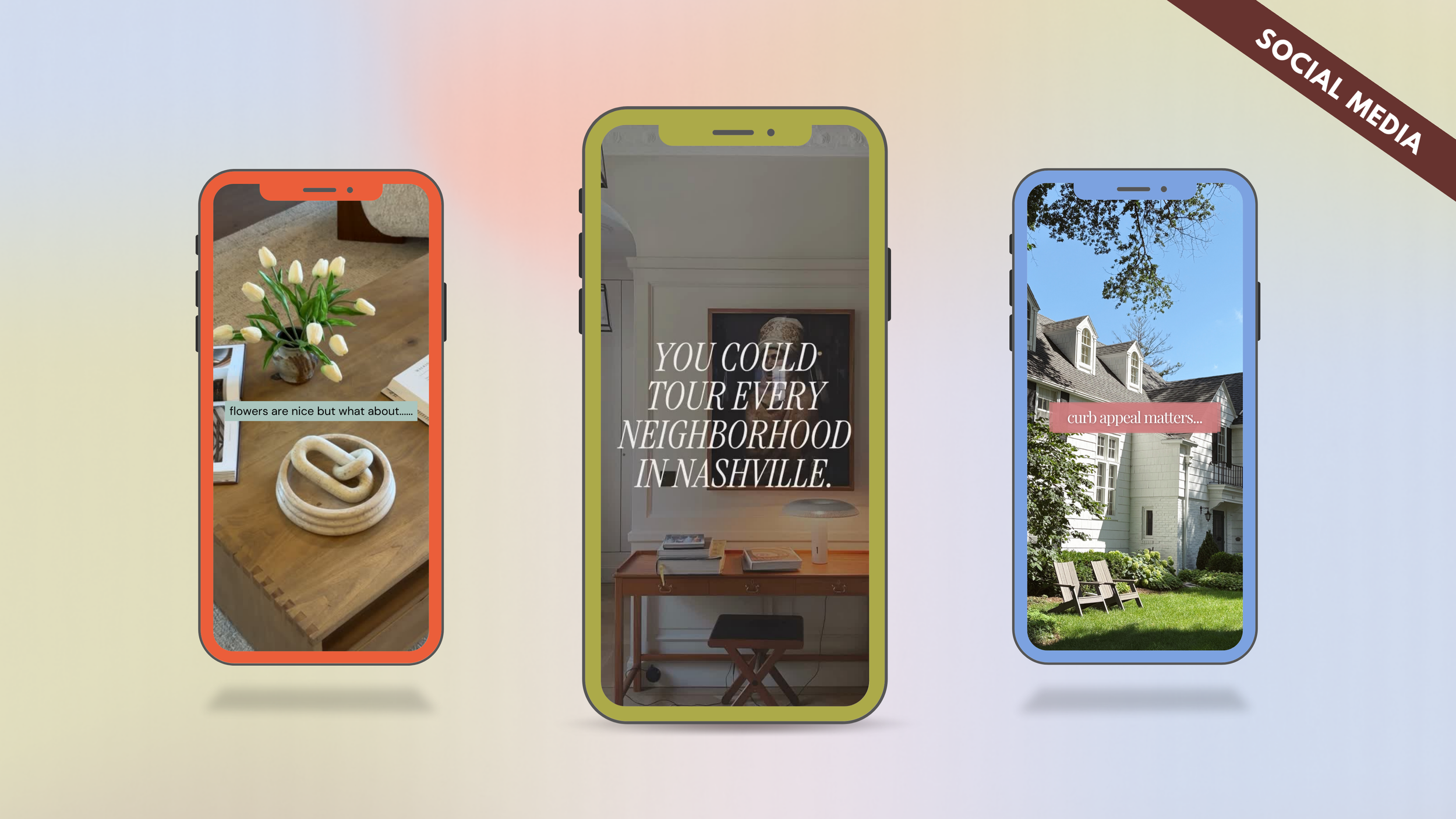
Not all social media content is created equal. Here's what actually works for real estate agents, and what to stop wasting time on.
If you've ever stared at your phone trying to figure out what to post, you already know that "just post more content" isn't particularly useful advice. The internet is full of content. What's actually scarce, and what people actually respond to, is content that feels purposeful, specific, and real.
So what does good real estate content actually look like? It's a more interesting question than it might seem.
First: what it isn't
Before we get into what works, it's worth clearing out a few things that don't… or at least don't work as well as people think.
Generic market statistics posted without context or opinion
Just Listed posts with no personality or story attached
Motivational quotes that have nothing to do with real estate
Trend-chasing content that doesn't fit your brand
Anything that looks like it came from a template used by a hundred other agents
None of these is catastrophic on its own. But a feed that's mostly made up of them doesn't build much of a relationship. It looks like a bulletin board, not a person.
The best real estate content doesn't just show that you sell homes. It shows that you understand the people buying and selling them.
The four jobs your content needs to do
Every piece of content you put out is doing one of a handful of jobs. Understanding those jobs makes it much easier to build a content mix that actually works.
Educate
This is the foundation of any real estate content strategy. Market updates. Buying and selling guides. What to expect at closing. How to navigate a multiple-offer situation. This kind of content positions you as the expert and a resource.
The key is making it specific and opinionated. "Home prices in Franklin rose 4.2% last quarter" is information. "Here's what that means if you're thinking about selling in the next six months" is expertise. One of those builds trust.
Connect
This is the category most agents underinvest in, and the one that often does the most work. Behind-the-scenes content. The story of a difficult closing that came together. What it felt like to hand over keys to a first-time buyer. Your take on a neighborhood you've been working in for years.
Connection content is what turns a follower into someone who feels like they know you. And people hire agents they feel like they know.
Convert
Just Listed, Just Sold, and client success stories all fall into this category. This is proof that you're active, successful, and worth calling. It should be part of your mix, but it shouldn't be the whole mix. A feed that's only listings feels transactional. A feed that has some listings alongside education and connection content tells a much more compelling story.
Stay top of mind
Some content doesn't have a specific job to do today; it's just about showing up. Seasonal content, community highlights, and quick thoughts about the market. The purpose of this content is simple: to make sure your name keeps appearing in someone's feed so that when they're ready to make a move, you're the agent they've been watching.
The format question
Different content formats serve different purposes, and a healthy mix usually includes a combination of them.
Static posts are great for listings, market updates, and quick tips
Carousels work well for education, like step-by-step guides, neighborhood breakdowns, and buying/selling timelines
Reels are unmatched for personality and connection. like a quick walk-through, a behind-the-scenes moment, or a client reaction
Stories are where daily presence happens, so show up with polls, questions, and quick updates that keep you in the rotation without requiring a full post
The voice question
Here's something that gets overlooked: the best content sounds like the person posting it. Not like a press release. Not like a marketing brochure. Like an actual human being who knows their market and genuinely cares about the people they're helping.
That's harder to manufacture than it sounds, which is why most template-based approaches fall flat. A post written for a Brentwood agent should sound different from one written for an agent working Smyrna or Nolensville. The neighborhoods are different. The buyers are different. The stories are different.
The most effective content isn't just geographically specific, it's personally specific. It sounds like you.
What this looks like in practice
A well-balanced week of content for an active realtor might include: a market update or educational carousel, a listing or Just Sold post with a brief story behind it, a reel or a behind-the-scenes moment, and a story or two throughout the week. That's it. Nothing elaborate. Just consistent, purposeful content that covers the four jobs: educate, connect, convert, stay top of mind.
The agents who do this reliably, week after week, are the ones who build the kind of online presence that generates real business. Not because they cracked some algorithm. Because they showed up like a real person, consistently, and gave people a reason to trust them.